
Shopify Review 2026: Complete In-Depth Analysis & Honest Breakdown
 Habibur Rahman
A passionate SEO professional with 8+ years of experience helping businesses grow their online presence.
Shopify has become one of the most popular ecommerce platforms in the world. In 2026, over 4.8 million active stores run on Shopify, processing more than $1 trillion in total sales since its launch. Whether you are a new entrepreneur or an established business owner, understanding what Shopify offers is essential before making your decision.
In this complete review, we break down everything you need to know about Shopify. We cover pricing plans, key features, performance data, pros and cons, customer support quality, real success stories, and detailed comparisons with competitors. Our goal is to give you reliable information so you can decide if Shopify is the right platform for your online store.
Shopify Overview: Platform at a Glance
Shopify is a cloud-based ecommerce platform that allows anyone to create and manage an online store. Founded in 2006, Shopify has grown into a leading solution for businesses of all sizes. The platform handles everything from website hosting to payment processing, inventory management, and shipping.
Key Statistics (2026 Data)
- Total Active Stores: 4.8 million+
- Global Market Share: 1 0.56%
- US Market Share: 30%
- Total Merchants Revenue: Over $1 trillion processed
- Average Store Conversion Rate: 2.5%
- Available Apps: 1 3,000+
- Available Themes: 200+ (free and paid)
- Users Making First Sale: Every 26 seconds
- Customers Who Bought via Shopify: 875 million+ (2024)
Shopify powers stores in 1 75+ countries and supports multiple currencies and languages. The platform is designed for ease of use, making it accessible even for people with no technical background.
Pricing Plans Breakdown
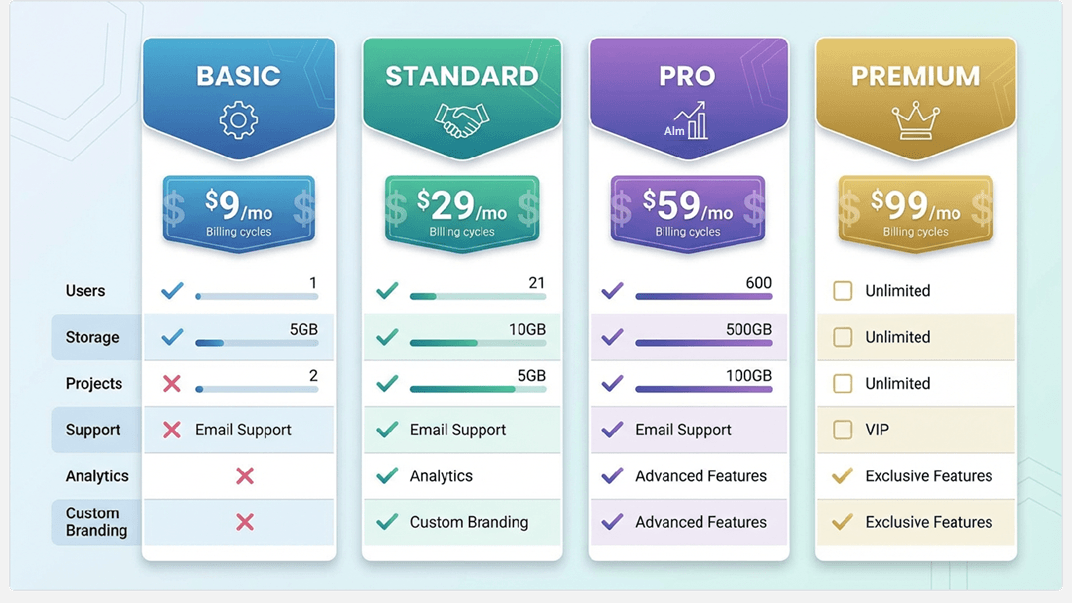
Understanding Shopify's pricing is critical. The platform offers five main plans, each designed for different business sizes and needs.
Pricing Table Overview
|
Plan |
Monthly (Billed Monthly) |
Monthly (Billed Yearly) |
Annual Cost (Yearly) |
Online Card Rate |
Transaction Fee (3rd Party) |
|
Starter |
$5 |
N/A |
$60 |
5% + $0.30 |
N/A |
|
Basic |
$39 |
$29 |
$348 |
2.9% + $0.30 |
2.0% |
|
Grow |
$1 05 |
$79 |
$948 |
2.7% + $0.30 |
1 .0% |
|
Advanced |
$399 |
$299 |
$3,588 |
2.5% + $0.30 |
0.6% |
|
Plan |
Monthly (Billed Monthly) |
Monthly (Billed Yearly) |
Annual Cost (Yearly) |
Online Card Rate |
Transaction Fee (3rd Party) |
|
Plus |
$2,500 |
$2,500 |
$30,000 |
Custom rates |
0.2% |
Detailed Plan Breakdown
1. Starter Plan ($5/month)
The Starter plan is perfect for creators and social sellers who want to sell through links without a full website. You can share product links on social media, messaging apps, or embed them into existing sites.
Best For: Content creators, influencers, and side hustlers
2. Basic Plan ($39/month or $29/year)
The Basic plan includes everything needed to launch a complete online store.
Features:
- Unlimited products
- 2 staff accounts
- 24/7 support
- Sales channels (online store, social media, marketplaces)
- Basic reports
- Discount codes
- Manual order creation
Best For: New businesses and small stores
3. Grow Plan ($105/month or $79/year)
The Grow plan (formerly Shopify plan) adds more features and lower transaction fees.
Features:
- Everything in Basic
- 5 staff accounts
- Professional reports
- Lower credit card fees
- Gift cards
- Abandoned cart recovery
Best For: Growing businesses with steady sales
4. Advanced Plan ($399/month or $299/year)
The Advanced plan is built for high-volume stores.
Features:
- Everything in Grow
- 1 5 staff accounts
- Advanced report builder
- Third-party calculated shipping rates
- Lowest credit card fees (on regular plans)
Best For: High-volume stores scaling quickly
5. Shopify Plus ($2,500+/month)
Shopify Plus is the enterprise solution for large businesses.
Features:
- Everything in Advanced
- Unlimited staff accounts
- Customizable checkout
- Dedicated account manager
- Priority support
- Automation tools (Shopify Flow)
- Wholesale channel (B2B)
Best For: Enterprise businesses and multi-brand operations
Hidden Costs to Consider
Beyond the monthly subscription, you should budget for:
- Apps: $1 0-$300/month (depending on needs)
- Themes: $0-$500 (one-time)
- Domain: $1 0-$20/year
- Email Marketing: $1 per 1 ,000 emails after first 1 0,000
- Transaction Fees: If not using Shopify Payments

Performance & Speed Test Results
Website speed directly impacts conversion rates. Research shows that 53% of mobile users abandon sites that take longer than 3 seconds to load.
Shopify Speed Performance (2026 Data)
- Average Load Time: 1 .2 seconds
- Server Response Time: 2.8 milliseconds (industry-leading)
- Good Speed Score: 50+ (out of 1 00)
- Excellent Speed Score: 70+ (out of 1 00)
- Conversion Rate Impact: Stores under 2 seconds have 2.5x higher conversion rates
Core Web Vitals Performance
Shopify performs well on Google's Core Web Vitals metrics:
- Largest Contentful Paint (LCP): 2.5 seconds or less
- First Input Delay (FID): 1 00 milliseconds or less
- Cumulative Layout Shift (CLS): 0.1 or less
Speed Optimization Tips
- Use optimized themes (Dawn theme is fastest)
- Compress images before uploading
- Limit app installations
- Use lazy loading for images
- Enable Shopify CDN (included free)
Shopify's infrastructure places your store within 50 milliseconds of every shopper globally, ensuring fast load times worldwide.
Key Features Analysis
1. Website Builder & Themes
Shopify offers 200+ themes (1 0 free, 1 90+ premium). The theme editor is drag-and-drop, requiring no coding knowledge.
Popular Themes:
- Dawn: Most popular (1 6.65% of stores use it)
- Debut: Second most popular (7.58% of stores)
- Premium themes: $1 50-$500
2. Payment Processing
Shopify Payments is the built-in payment gateway supporting:
- Credit/debit cards
- Apple Pay & Google Pay
- Shop Pay (1 5% higher conversion)
- Buy Now, Pay Later options
If you use third-party gateways (Stripe, PayPal), additional transaction fees apply.
3. Inventory Management
- Manage unlimited products with:
- Product variants (size, color, etc.)
- SKU tracking
- Low stock alerts
- Bulk import/export
- Up to 1 0 inventory locations (200 on Plus)
4. Multi-Channel Selling
Sell everywhere from one dashboard:
- Online store
- Facebook & Instagram
- Amazon, eBay, Walmart
- TikTok Shopping
- Google Shopping
- In-person (POS)
5. Marketing & SEO Tools
Built-in marketing features include:
- Email marketing (Shopify Email)
- Discount codes & automatic discounts
- Gift cards
- Blog functionality
- SEO-friendly URLs
- Meta descriptions
- Alt text for images
6. App Store & Integrations
The Shopify App Store has 1 3,000+ apps covering:
- Email marketing
- Customer reviews
- Upselling & cross-selling
- Accounting (QuickBooks, Xero)
- Shipping & fulfillment
- Analytics & reporting
7. Mobile Management
- The Shopify Mobile App lets you:
- Process orders on the go
- View real-time analytics
- Manage inventory
- Chat with customers
- Fulfill orders
- Edit products

Customer Support Review
Good customer support can make or break your experience with any platform.
Support Channels
24/7 Support Available:
- Live chat
- Email support
- Phone support (Shopify Plus)
- Community forums
- Help Center documentation
- Video tutorials
Response Times
- Live Chat: Average 2-5 minutes
- Email: 1 2-24 hours
- Phone: Immediate (Plus only)
User Reviews on Support
Based on reviews from G2, Capterra, and user forums:
Positive Feedback:
- "Support team is responsive and helpful"
- "24/7 availability is a lifesaver"
- "Great documentation and tutorials"
Negative Feedback:
- "Long wait times during peak hours"
- "Support quality varies by agent"
- "Limited phone support on lower plans"
Overall Support Rating: 4.2/5
Help Center & Resources
Shopify provides extensive self-help resources:
- Shopify Academy: Free courses on ecommerce
- Blog: Tips, guides, and success stories
- Community Forums: Connect with other merchants
- Developer Documentation: For technical users
Pros and Cons
Real Use Cases & Success Stories
Small Business Success
Gymshark started on Shopify as a small fitness apparel brand. Today, it's valued at over $1 billion and still uses Shopify.
Medium Business Example
A jewelry store moved from Etsy to Shopify, increasing revenue by 40% in the first year by owning their customer data and branding.
Enterprise Level
Heinz uses Shopify Plus to sell direct-to-consumer, managing multiple product lines and markets efficiently.
Key Success Factors
- Fast Setup: Most stores go live within 1 -2 weeks
- Marketing Integration: Easy connection with Facebook, Google, TikTok
- Data Ownership: Unlike marketplaces, you own customer data
- Professional Appearance: Quality themes build trust

Shopify vs Competitors
Shopify vs WooCommerce
|
Feature |
Shopify |
WooCommerce |
|
Ease of Use |
Very Easy |
Moderate |
|
Hosting |
Included |
Self-hosted |
|
Cost |
$29-$299/month |
Free + hosting ($1 0-$50/month) |
|
Feature |
Shopify |
WooCommerce |
|
Customization |
Limited |
Unlimited |
|
Support |
24/7 |
Community-based |
|
Best For |
Beginners, fast setup |
Developers, full control |
Shopify vs BigCommerce
|
Feature |
Shopify |
BigCommerce |
|
Ease of Use |
Easier |
Moderate |
|
Transaction Fees |
Yes (if 3rd party) |
No |
|
Built-in Features |
Fewer |
More |
|
Apps |
1 3,000+ |
1 ,000+ |
|
Best For |
General ecommerce |
Mid-market B2B |
Shopify vs Wix
|
Feature |
Shopify |
Wix |
|
E-commerce Focus |
Dedicated |
General website builder |
|
Payment Options |
1 00+ |
Limited |
|
Scalability |
Excellent |
Moderate |
|
Price |
Higher |
Lower |
|
Best For |
Serious ecommerce |
Small stores + websites |
Verdict: Shopify is the best all-around choice for dedicated ecommerce stores.
Who Should Use Shopify?
Perfect For:
- New Entrepreneurs: Easy to start with no technical skills required.
- Small to Medium Businesses: Affordable plans with room to grow.
- Multi-Channel Sellers: Sell on social media, marketplaces, and your website.
- Dropshippers: Integrates easily with Oberlo, Spocket, and other dropshipping apps.
- Businesses Needing Reliability: 99.99% uptime and proven infrastructure.
Not Ideal For:
- Content-Heavy Sites: Limited blogging features.
- Extremely Budget-Conscious Startups: Monthly costs may be too high.
- Developers Wanting Full Control: Limited backend access compared to open-source.
- Complex B2B Needs: Unless you can afford Shopify Plus.
Getting Started with Shopify
Step-by-Step Launch Guide
- Step 1 : Sign Up: Start with a 3-day free trial, then $1 /month for 3 months.
- Step 2: Choose Your Plan: Select the plan that fits your budget and needs.
- Step 3: Pick a Theme: Browse free and paid themes in the Theme Store.
- Step 4: Add Products: Upload product images, descriptions, and prices.
- Step 5: Set Up Payment Processing: Connect Shopify Payments or another gateway.
- Step 6: Configure Shipping: Set shipping zones and rates.
- Step 7: Launch Your Store: Remove password protection and go live!
Final Verdict & Recommendation
Overall Rating:
4.5/5 ★★★★☆Shopify remains one of the best ecommerce platforms in 2026. Its combination of ease of use, reliability, scalability, and features makes it suitable for businesses of all sizes.
When to Choose Shopify:
- You want a fast, easy setup
- You need reliability and security
- You plan to sell across multiple channels
- You want professional design without coding
- You need room to scale
When to Consider Alternatives:
- You have very limited budget
- You need complete customization control
- You run a content-heavy site
- You have complex B2B requirements (without Plus budget)
Final Recommendation
For most online businesses, Shopify offers the best balance of features, ease of use, and scalability. The platform handles the technical complexity so you can focus on growing your business.
Start with the Basic plan ($29/month annually) and upgrade as you grow. The investment pays off through higher conversion rates, better customer experience, and time saved on technical maintenance.
Frequently Asked Questions (FAQs)
- Q1 : How much does Shopify really cost?
Shopify plans range from $5 to $2,500 per month. For most small businesses, the real cost including apps and processing fees is $50-$1 50/month.
- Q2: Is Shopify good for beginners?
Yes! Shopify is one of the easiest platforms to use, with no coding required and excellent documentation.
- Q3: Can I sell on Amazon with Shopify?
Yes. Shopify integrates with Amazon, eBay, Walmart, and other marketplaces.
- Q4: Does Shopify take a percentage of sales?
Shopify charges payment processing fees (2.4%-2.9% + $0.30) but no additional percentage on your sales.
- Q5: What is the success rate of Shopify stores?
About 5-1 0% of Shopify stores become highly successful. Most failures are due to poor marketing, not the platform.
- Q6: Can I use my own domain name?
Yes. You can buy a domain through Shopify ($1 0-$20/year) or connect an existing one.
- Q7: Is Shopify better than WordPress WooCommerce?
Shopify is easier and more reliable. WooCommerce offers more control but requires technical knowledge.
- Q8: Does Shopify offer phone support?
24/7 phone support is available only on Shopify Plus. Other plans have chat and email support.
- Q9: Can I switch plans later?
Yes. You can upgrade or downgrade your plan anytime.
- Q1 0: Is there a free trial?
Yes. Shopify offers a 3-day free trial, followed by 3 months at $1 /month on paid plans.
 Contacts